
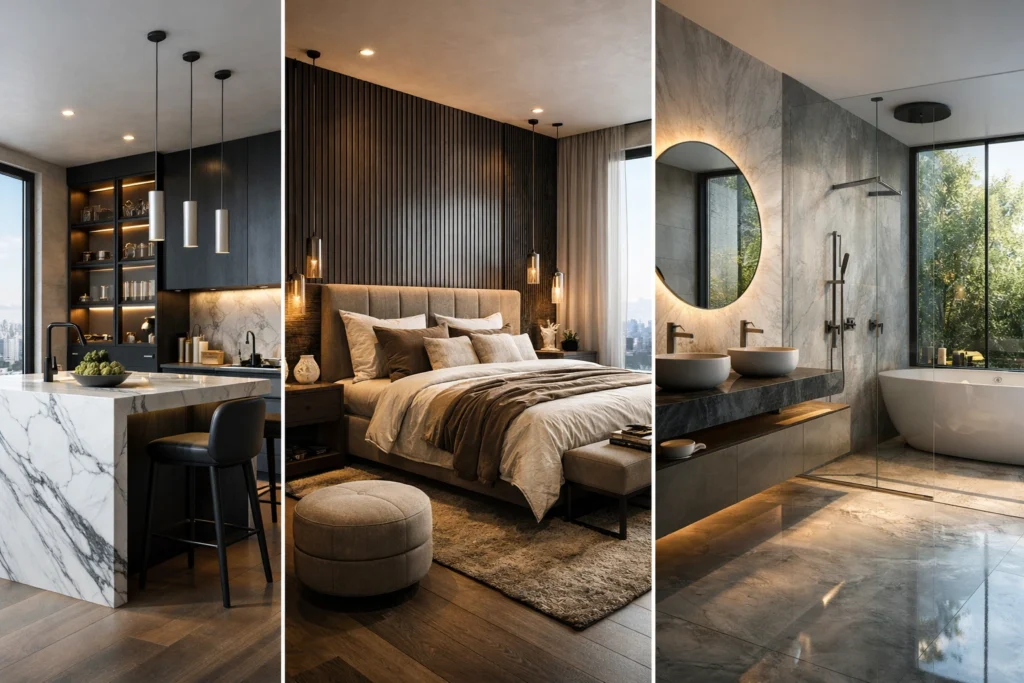
Have you ever spent hours, or even days, waiting for a single high-quality render to finish, only for your client to ask, “Can we see that in a different shade of blue?”
Is the “wait-and-see” era of interior design finally over?
Yes, and it’s happening faster than most of us expected.
The days of traditional rendering being a slow, technical bottleneck are numbered. We are moving into a world where visualization isn’t a final “deliverable” at the end of a project, but a living, breathing part of the creative process. The longer (and more useful) answer about where we are heading is below.
Why is the design workflow changing right now?
Basically, the gap between an idea and a visual reality is shrinking to zero. In the past, designers had to be part-time technicians. You didn’t just need an eye for aesthetics; you needed to understand lighting bounces, polygon counts, and hardware limitations.
This created a massive friction point. If you wanted to explore three different styles for a kitchen, you had to commit to the time-intensive labor of re-rendering each one.
This is what’s changing:
- Speed as a standard: Real-time AI tools are replacing the “overnight render.”
- Creative freedom: Designers are returning to being directors rather than draftsmen.
- Client demands: Homeowners now expect to see photorealistic versions of their homes before a single tile is laid.
Research shows that over 22% of homeowners struggle to visualize a finished space at the start of a project. That is a huge segment of your clientele that feels anxious until they see a “real” photo. In 2026, waiting a week for that photo is no longer an option.
The move from “Drafting” to “Directing”
We are seeing a fundamental shift in how designers use technology. Instead of building every single shadow from scratch, designers are using AI to “style” their geometry. This allows you to focus on the feeling of a room rather than the technical settings of your software.
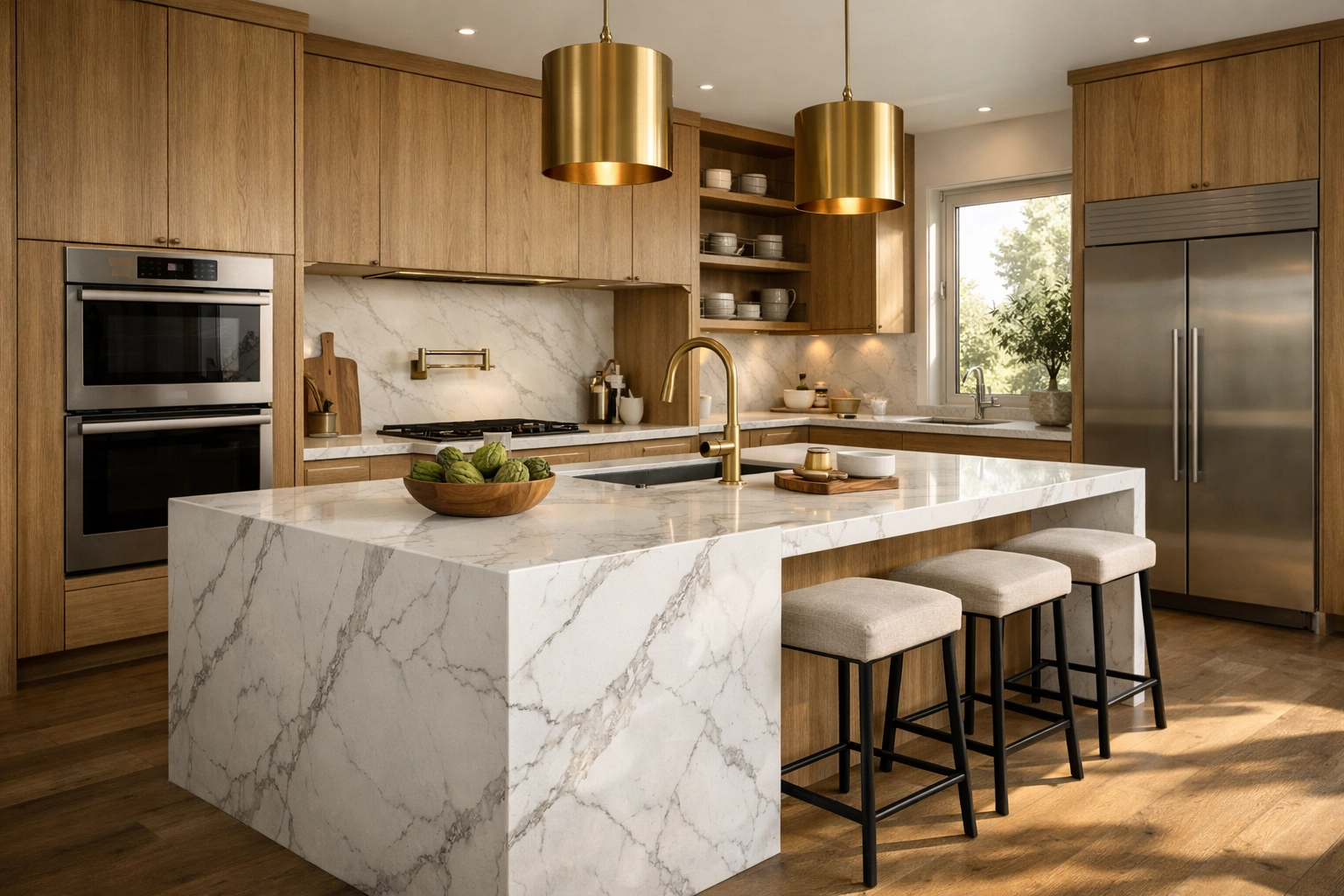
At KBB Render, we’ve built tools specifically to facilitate this shift. You can find more about our approach on our AI interior rendering tools page.
Key features driving this revolution include:
- Creative Realism: This allows for artistic flair where the AI interprets your layout with high-end, magazine-quality finishes.
- Stable Precision: For when you need exact control over every structural element and cabinet placement.
- Inspiration Transfer: You can take a reference photo, perhaps a mood from a boutique hotel, and apply that exact vibe to your client’s specific room layout.
What are the big trends for 2026?
As we look toward the future, visualization isn’t just about a pretty picture anymore. It’s about storytelling and personalization.
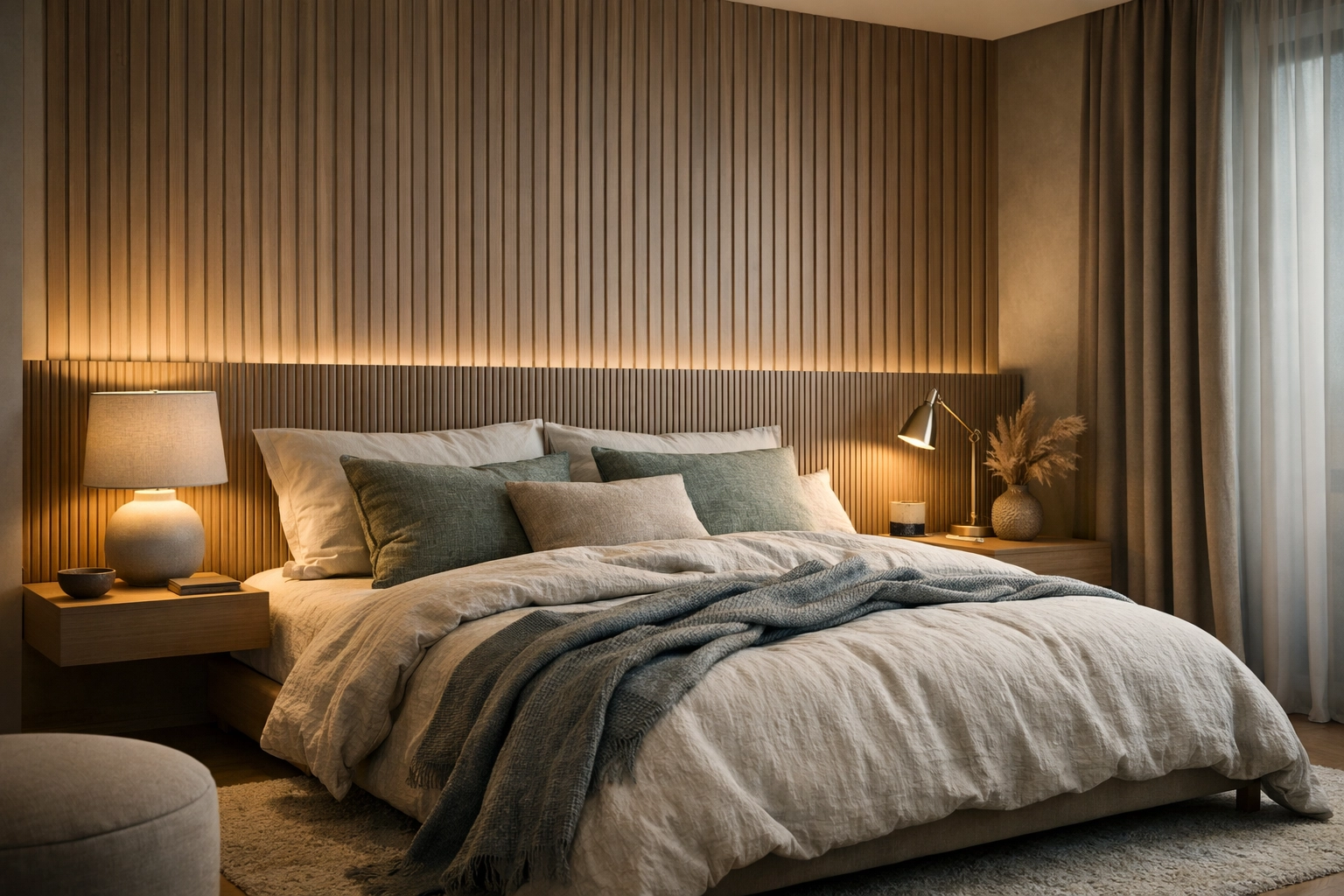
Narrative Maximalism
People are moving away from “cookie-cutter” minimalism. They want their homes to reflect their history, family photos, inherited furniture, and eclectic collections. Future visualization tools need to be able to handle these unique, non-standard items and make them look cohesive.
Multifunctional Visualization
Clients want to see how a room changes. How does the home office look during the day vs. when it transforms into a guest room at night? AI tools are making it easier to swap furniture sets and lighting schemes in a single click.
Instant Variation
Why show a client one version of a room when you can show them six?
- Use Batch Rendering to generate 6 variations of a scene at once.
- Experiment with different lighting (golden hour vs. evening).
- Test different material palettes (marble vs. quartz) instantly.
AI vs. Traditional Rendering: A Quick Comparison
Following the above, let’s look at how the two methods stack up in a modern studio environment.
| Feature | Traditional Rendering | KBB Render (AI) |
|---|---|---|
| Turnaround Time | Days / Hours | Seconds |
| Skill Curve | Very High (Years) | Low (Minutes) |
| Cost per Image | High | Low |
| Iterative Changes | Slow & Expensive | Instant & Free |
| Print Quality | High | Native 8K Upscaling |
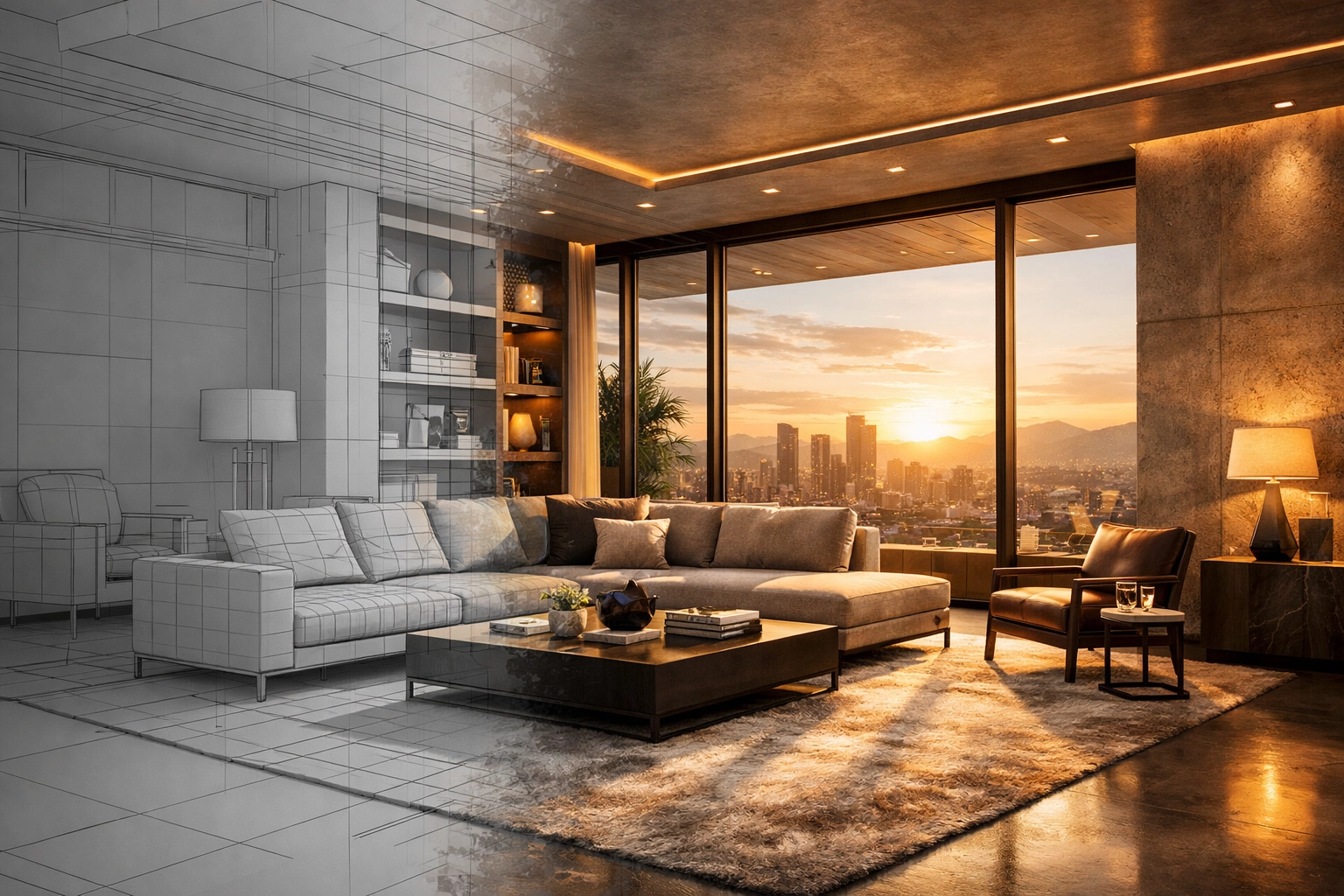
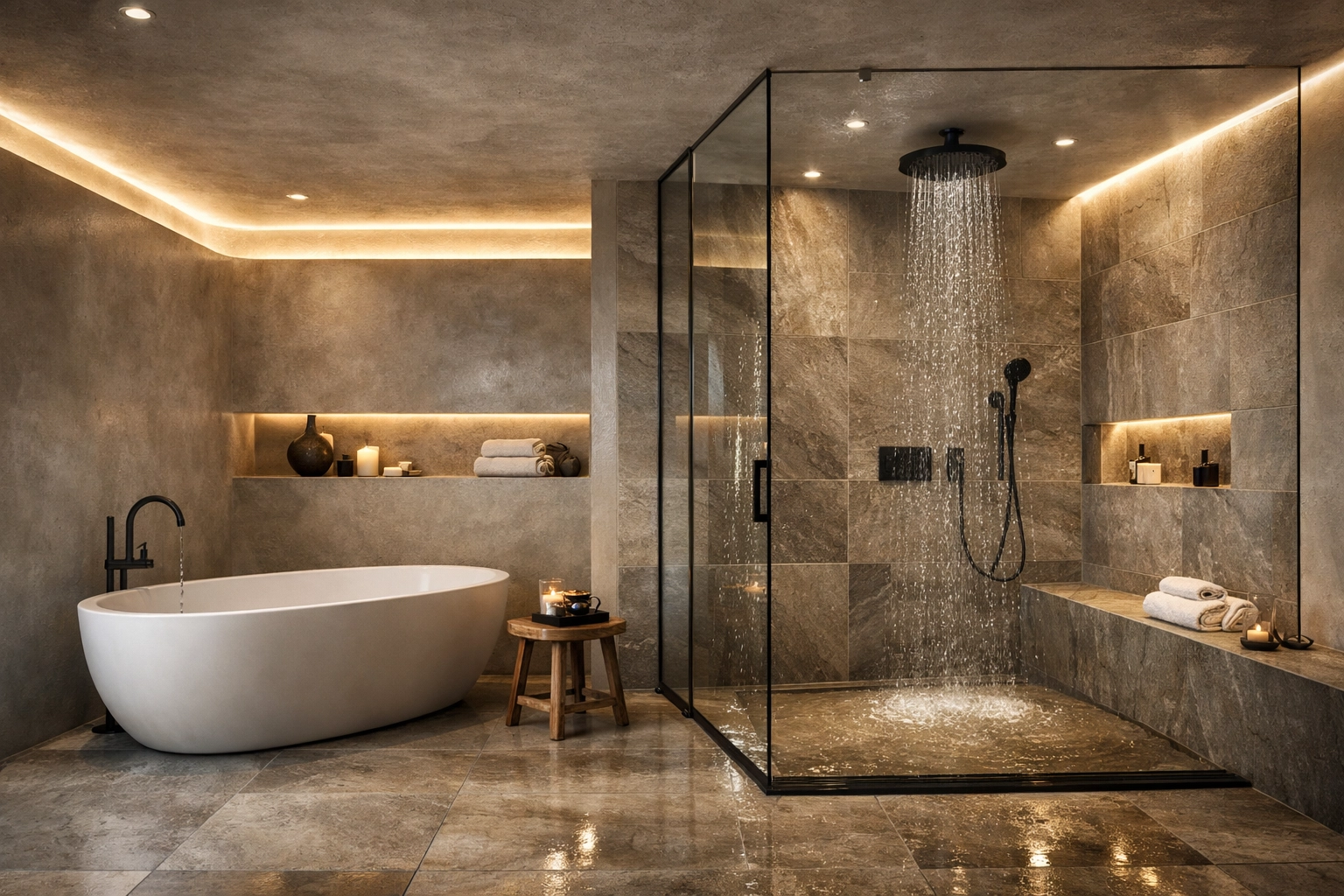
Comparison showing the workflow difference between manual lighting setups and AI-assisted style generation.
Beyond the Still Image: What’s Coming Next?
Visualization is currently dominated by the “still render,” but the future is moving toward movement and interaction. We understand that designers want to offer their clients an immersive experience, which is why the roadmap for AI technology is so exciting.
Coming Soon to KBB Render:
- Still Render to Animation: Soon, you won’t just be showing a photo. You’ll be able to turn your high-quality renders into cinematic fly-through videos with zero extra effort.
- AI-Powered Scene Cleanup (Add/Remove Objects): Imagine being able to “brush” away a cluttered countertop or add a specific vase to a table just by describing it. This “Edit” functionality will make scene staging a breeze.
This means that the “technical” part of the job, the part that involves clicking small buttons and waiting for progress bars, is disappearing.
Visualizing for the “Visualization-Challenged” Client
We’ve all had that client who can’t quite “see” it. You explain the texture of the stone and the way the light hits the brass, but they still look uncertain.
In the past, you might have sent them to our Knowledge Hub to understand the process, but now, you can just show them.
This is why visual clarity matters:
- Confidence: A photorealistic render removes the “fear of the unknown.”
- Faster Sign-offs: When a client sees exactly what they are getting, they make decisions faster.
- Reduced Mistakes: Seeing the 8K detail of a finish prevents “I didn’t think it would look like that” conversations after installation.
How to prepare your studio for the future
You don’t need to throw away your current CAD software. Instead, you should look at AI as an “acceleration layer” that sits on top of your existing skills.
Managing the transition:
- Start small: Use AI for the initial “vibe check” with clients.
- Use Batching: Don’t just give one option. Use Batch Rendering to provide a “good, better, best” scenario.
- Focus on the 8K: Always provide high-end exports for the final presentation. Native 8K Upscaling is now essential for showroom displays and high-end print portfolios.
- Stay curious: The tech is moving fast. If you want to see how it works in real-time, you can always book a KBB Render demo.
Summarising…
Is the future of interior visualization purely AI?
No, but the future of successful designers definitely involves AI.
Technology is finally catching up to the speed of human creativity. It’s allowing us to stop being “render monkeys” and start being true designers again. By removing the technical bottlenecks, we can focus on what actually matters: creating beautiful, functional spaces that make people’s lives better.
The key takeaways for the future are:
- Speed is a competitive advantage.
- Real-time editing is the new industry standard.
- High-resolution (8K) and Animation are the next frontiers.
The question isn’t whether you should adopt these tools, but how much more you could achieve once you do. If you’re ready to see how fast your workflow can really be, check out our pricing or dive into more of our thoughts on why traditional visualizations are evolving.
Bear in mind that the best time to start was yesterday: the second best time is right now.